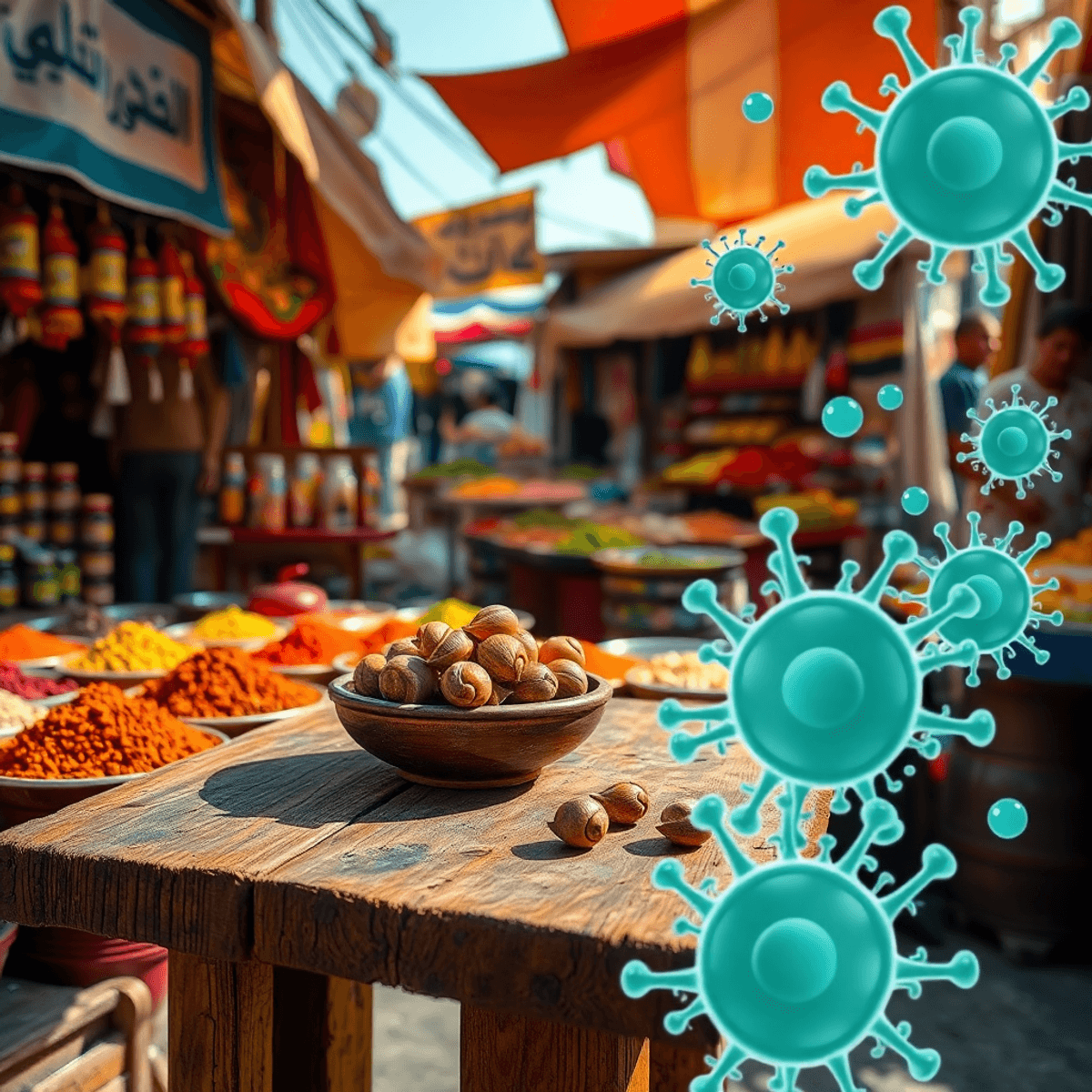
Traveling to Egypt gives you a trip full of old places, busy streets, and new foods to try. But, many people get what they call the Egyptian tummy bug or Pharaoh’s Revenge. This sickness is well-known in Egypt. A lot of people get it while they visit. It can make you feel bad, from just a little upset to real problems with your health.
Pharaoh’s Revenge is not the same as a simple upset stomach from travel. It can make you feel very tired. You might feel a big belly or fat belly feeling, keep having diarrhoea, feel sleepy all the time, and lose all your energy. These symptoms can mess up your plans and spoil your good time. It is hard to feel happy about your trip when you feel this way.
Knowing what starts the Egyptian tummy bug and seeing its signs is important. You need to know how this bug moves around. It can come from bad food, dirty water, or even things like money or door handles. This helps you get a grip on your health when you go to Egypt. The good thing is, there are treatments that work well and can stop the bug fast if you get them the right way.
This guide looks at the main causes of Pharaoh’s Revenge. It covers the symptoms that you feel, and lists treatment options. These include certain antibiotics made for this illness. With this information, you can be ready to keep safe and enjoy all that Egypt brings. You won't have to deal with a surprise stomach bug.
While you are here, you should look at some of the special building parts. They have lasted for a long time. You might want to go to places where old wind catchers are still being used. These are cool ways to handle hot weather that people in Egypt used many years ago. Wind catchers let in air and keep things cool without any air conditioning. If you feel interested in learning more about how these old wind catchers work, read this article on exploring ancient wind catchers.
On the other hand, if you plan to stay in places that have air conditioning, you need to pick the best unit for you. If you choose the wrong one, you may feel bad and see your energy bills go up. For tips on picking the right air conditioner in Egypt, check out this guide on choosing the right air conditioner.
Also, knowing the pros and cons of air conditioning can help you choose the right place to stay. In the end, if you care about using less energy while you stay, there are ways to install energy-saving air conditioning units. This can help you make your carbon footprint smaller. It also lets you save money on your electric bills.
The Snail Street Food Experience

Street food in Egypt and in many other places has some different and fun choices. One of these is snail street food, which is a popular part of what you can try there. People often make snails in hot broths or on the grill. Food sellers use strong spices that draw in people who want to try the tastes of the area. Trying this can be something you will remember, sometimes for what you expect and sometimes not.
Accidental Snail Tasting: More Common Than You Think
You might order what you think is a safe dish, but then find out it has snail in it. A lot of people end up tasting snails this way without knowing. Many travelers do not see this coming. For example:
You order a mixed seafood platter and don't know that some items are snails.
You try beach snacks, and snails are given as part of the local food.
You taste street food from sellers who mix snails into sauces or stews.
These meetings can cause some unexpected stomach problems if you are not ready for them.
“I thought I was just having a spicy stew, but halfway through, I noticed the chewy texture — turns out, it was snail meat! The next day, I had terrible stomach cramps and felt like I had a virus.”
– A traveler’s firsthand account
Health Risks Associated with Snail Street Food
Snails can have some bacteria or parasites that cause stomach trouble. A big risk that many people miss is leftover chemicals from stuff used to keep slugs and snails away in farming. For example, Metaldehyde slug and snail poison can stay on fruits and veggies or show up in street food ingredients.
Potential health hazards include:
Stomach cramps: This may feel like a squishy stomach. It can be sharp and may not go away.
Feeling sick to your stomach and throwing up: This happens because of things from bacteria or chemicals that bother your stomach.
Flu-like signs: You may feel hot or just feel sick as your body tries to fight.
Loose bowels and losing water: These often show up when the gut does not work right.
Snail contamination mixed with chemicals like metaldehyde makes things much more serious than a normal food illness.
How Snail Experiences Contribute to Travel Stomach Issues
Many people who visit Egypt say they feel sick to their stomach after eating street food with snails. This is part of what people call the Egyptian tummy bug. The reason for this bug is not just because of bacteria.
Touching snails and then handling money or things that the public use can pass germs.
Drinking water that vendors use to wash snail dishes can make you sick if it is not clean.
Eating food that still has slug poison because ingredients were not washed well can be harmful.
When you travel, there are new germs and you can come into contact with strange chemicals. Because of this, your stomach may not feel good. Knowing these risks can help you figure out why you feel so wiped out or get those chills after you try foods from other places. It can also help you understand what is happening in your body.
In times like these, it is important to keep good health habits when you are eating street food. Here are some tips that can help:
Stay Hydrated: Always drink bottled water. This helps you avoid getting sick from bad water.
Be Cautious with Food Choices: If you do not know what is in the food, pick something you have had before.
Keep Yourself Clean: Wash your hands many times, mostly before you eat.
Get Help from a Doctor if Needed: If you feel very sick after eating street food, go see a doctor fast. Getting help early can stop things from getting worse and help you feel better quicker, so you can keep having fun. Staying safe while trying new foods makes your trip better.
Understanding the Egyptian Tummy Bug (Pharaoh’s Revenge)

The Egyptian tummy bug, also known as Pharaoh’s Revenge, is a common problem for people who travel to Egypt. The main cause is a bacterial infection from several kinds of germs, including Escherichia coli, Salmonella, and Shigella. These germs can get into the belly and cause pain. They also make the stomach work in a way it should not.
How You Catch It
Many people think you can only get this infection from bad food. But the Egyptian tummy bug can spread in more ways:
Contaminated hands: When you touch your face or mouth after handling unwashed hands, it is a common reason you get sick. This shows how important it is to keep up with good hygiene practices to stop such infections.
Money handling: Money goes through many people and can spread bad germs.
Door handles and public surfaces: Places people touch a lot often have germs that can make you sick.
Sweat wiping: If you use a towel that many people use, or use dirty cloths to wipe sweat, your risk goes up.
Shared water bottles: Drinking from the same bottle as others without keeping it clean can let germs in.
This wide mix of ways germs can spread means you need to think about more than just where you eat.
Differentiating Pharaoh’s Revenge from Other Travel Illnesses
Many people get mixed up between the Egyptian tummy bug and other sicknesses that can happen when you travel.
Traveler's diarrhea caused by cold drinks or unfamiliar foods comes on fast but it usually gets better soon with rest and drinking water.
Heat exhaustion shows up as feeling dizzy, sweating a lot, and feeling weak. It does not have the stomach problems that happen with Pharaoh’s Revenge.
The Egyptian tummy bug is different. It makes your stomach feel bad and brings other problems to your whole body, including:
Ongoing diarrhea
Throwing up
Feeling tired along with a “big belly” feel or a heavy stomach
Hot and cold sweats, and cold sweats that can show a fever
Sick feelings that feel like the flu but are from bacteria and not a virus
Knowing these signs early helps you get the right help. This way, you will not mix it up with just dehydration or being hot.
Key Points on Pharaoh’s Revenge Symptoms
Symptom | Description |
Diarrhea | Frequent, watery stools |
Nausea and vomiting | Feeling sick often leading to vomiting |
Stomach cramps | Sharp or squishy sensations in the abdomen |
Cold sweats | Sudden chills accompanied by sweating |
Fatigue | Extreme tiredness despite rest |
Knowing these signs helps you act fast. Pharaoh’s Revenge is not like the usual traveler’s diarrhea. If you do not treat it, it can get worse. It can turn into bad cases like colitis or stomach problems with strong pain.
Knowing how this germ spreads and shows up can help you avoid it or act fast if you get it. If you are in places with high risk, use automotive climate control methods. These can lower your chances of getting sick by making sure you touch less dirty surfaces.
Also, knowing how air conditioning works can help you get a clean space. Good filters and taking care of these machines will keep germs from spreading. Be sure to wash your hands well and use bottled water if you are in places you do not know, so you can stay safe from Pharaoh’s Revenge.
Symptoms of the Egyptian Tummy Bug
Knowing about Pharaoh’s Revenge early can really help you deal with it better. The sickness usually brings many signs, and these can be mild or strong. How bad the symptoms get often depends on each person and how many bacteria there are.
Common signs include:
Fatigue and tiredness: Many travelers feel tired and worn out for a long time. People often say it feels like having a big belly or a fat belly feeling. This stomach feeling can be hard to deal with and may upset you.
Nausea: A common early sign is wanting to throw up. You may feel like you don't want to eat and keeping food down can be hard.
Sweating abnormalities: You might notice that you feel hot or cold sweats in turns. Cold sweats mostly make you feel wet and cold, even if it's warm around you. It's a lot like what you feel when an automotive climate control system does not work the right way. That can make your ride feel not good.
Viral-like symptoms: Pharaoh’s Revenge acts like the flu. You may feel general tiredness, body pains, and feel like you are fighting a virus.
Sleepiness: When you catch this, you might feel very sleepy or want to sleep much more than normal.
Stomach cramps (squishy stomach): It hurts and pain can be mild or strong. Your stomach may feel soft if you press it, but will feel sore.
Diarrhea and vomiting: Stomach troubles happen a lot...
Symptoms usually show up in a few hours or days after you come in contact with the cause. Some travelers feel a little pain that goes away fast. Others feel worse and it can go on for several days. How bad it gets depends on things like how much water you have in your body, how your body fights off bugs, and if you start care early.
If you ignore these symptoms, it can cause other problems, like:
Colitis: This is when the colon gets swollen and it causes long-lasting diarrhea and pain in the belly.
Acute gastroenteritis: This is when the stomach and bowels get hurt badly and you may need help from a doctor.
Knowing these signs can help you tell Pharaoh’s Revenge apart from other travel sicknesses, like heat problems or stomach issues from spicy food or cold drinks. If you spot the illness early, you can treat it sooner and stop it from getting worse.
In very bad cases, too much sweating can cause your body to lose water or feel bad in a way that is much like what you feel when you are troubleshooting your air conditioner.
It is very important to talk to a doctor right away in this situation. Plus, knowing everything you need to know about air conditioning can help keep you feeling alright as you get better.
Lastly, keeping up with the latest advances in air conditioning technology might help you find new ways to feel more comfortable during times when you face health problems.
Debunking Food Myths Related to the Tummy Bug and Travel in Egypt

Traveling to Egypt can make you feel unsure about what food or drink is safe. There are so many stories from people talking about the Egyptian tummy bug. When you know what is true and what is not, you enjoy your trip more. This way, there is no need to worry too much.
Tap Water Safety in Egypt
Tap water in Egypt is safe at big city sources, but you should not drink it straight from the tap if your stomach is not used to it. Many people feel sick from the local water germs, even if the water is clean by law. You can stop this by using bottled water to drink and when you brush your teeth. It is fine to wash fruits or vegetables with tap water at good restaurants or hotels. Stay away from ice cubes made from tap water at small street sellers if they do not have clean checks.
Fruit Safety in Egypt
The idea that every fruit and salad will always make you sick is not true. Fresh food from places that keep things clean and follow all the rules is often safe to eat. If you peel fruits like bananas or oranges by yourself, you get rid of any dirt on the outside. Salads and uncooked vegetables that get washed the right way can be good to eat, even when you travel. You just need to stay away from places where the way people handle food does not look safe.
Common Food Myths Around Egypt Travel
Myth | Reality |
"Avoid all street food" | Many street vendors maintain good hygiene; choose busy stalls with high turnover. |
"Only cold drinks cause illness" | Cold drinks themselves don't cause tummy bugs; contaminated ice or poor hygiene does. |
"Spicy food protects against infection" | Spices may mask symptoms but do not prevent bacterial infections like Pharaoh's Revenge. |
Distinguishing Infection from Environmental Upset
Not every time you feel sick or have diarrhea means you have got the Egyptian tummy bug. A real tummy bug often comes from germs and gives strong signs. You may feel like you have the flu, feel tired, have cramps, and diarrhea that keeps going. Some mild stomach problems are not because you caught anything. These often come from other things. You can watch how bad the signs are and how long they last. This helps you know which one you have. A mild case usually goes away fast and you do not need any antibiotics.
Common Non-Infectious Causes of Stomach Upset While Traveling
Sudden changes in what you eat
Eating too much food that you do not know
Heat or not enough water in the body
Being sensitive to some spices or things in the food
Knowing these details helps you feel less worried about eating. It lets you enjoy the food in Egypt in a safe way.
Health Risks and Hospital Visits from Snail Contamination and Egyptian Stomach Bug
Eating street food in Egypt can feel fun and exciting, but there can be some risks, especially when you eat snails. Some people have had serious problems because of snail contamination health risk. This can cause bad stomach infections and may make people go to the hospital. A lot of Egypt travel experiences talk about this. These infections are not just a bother; they can get worse very fast.
From Mild Discomfort to Hospital Beds
Many people feel mild signs at first. They may get stomach pain, feel sick, or have diarrhea. If you do not treat it or the amount of germs is high, these signs can get much worse quickly.
Severe dehydration because there is nonstop vomiting and diarrhea.
Sudden stomach illness that needs medical help.
Start of colitis, which means swelling in the colon and gives strong belly pain.
Hospitals in Egypt often use intravenous fluids to help with dehydration. They also give strict rules about food to let the gut heal. Antibiotic treatment may be needed, especially if the infection comes from bacteria found in snails or other street foods.
Emotional and Physical Impact on Your Vacation
The impact of these illnesses can go past just the way your body feels. Think about waking up with no problems in the morning. Then by midday, you feel strong pain in your stomach or get a fever. A holiday that was meant to be calm and happy changes quickly.
You have to spend days in hospital rooms, not out seeing the sights.
You may miss tours, and some events get cancelled.
You feel worried about your health and do not know much about new doctors when you are not at home.
You feel tired for a long time, even after doctor visits are over.
The phrase "Ruin Your Holiday" works here because the stress can feel as hard as any pain in your body. When you feel sick in a new country, the worry can take over the whole trip.
Real-Life Stories
Travelers have shared stories like these:
“I thought it was just a minor stomach upset until I couldn't keep water down. A visit to the local hospital introduced me to IV drips and a strict bland diet for days. All because of a tasty-looking snail dish at a market stall.”
“My vacation mood shifted drastically when vomiting started late at night. Next thing I knew, I was navigating an Egyptian hospital system trying to explain my symptoms while feeling weak and disoriented.”
These stories show how even a small thing, like bad snails, can cause big health problems. People may need help from a doctor for this.
Treatment Options: Antibiotics & What Works Best for the Egyptian Tummy Bug
Pharaoh’s Revenge, which doctors also call the Egyptian tummy bug, can be treated well with a special antibiotic called Antinal. This medicine is made to fight the bacteria that often cause this infection. If you think you may have this stomach illness, start treatment as soon as you can. You will feel better faster and get relief from your symptoms.
Antinal Antibiotic Egypt: What You Need to Know
Active Ingredient: Antinal has nifuroxazide. This is a type of antibiotic that works against many bacteria in the stomach and intestines that cause diarrhea or make your stomach feel bad.
Availability: You can find Antinal in most Egyptian pharmacies. But it is not easy to get in many other countries. If you are going to Egypt, you may want to buy some when you get there.
Stocking Up: It is a good idea to buy a small amount to take home with you. This way, you will have Antinal ready if you feel sick. You can start taking it right away and not wait for help, which can stop things from getting worse.
Proper Antibiotic Dosage for Travel Illness
Giving the right amount of Antinal is very important for good treatment.
Initial Dose: When you first feel something is wrong—like feeling sick to your stomach, having cramps, or getting diarrhea—take two capsules at once.
Follow-Up Doses: After that, take one capsule every six hours until you feel better or your healthcare provider tells you otherwise.
How Long to Take: Most people use this medicine for about five days. The time may be different for you, based on how bad your symptoms are and what your doctor says.
Taking Antinal at these times helps keep enough medicine in your gut. This way, it can fight the bacterial growth well.
“Starting Antinal early transformed my trip — what could have been days stuck in bed turned into a manageable discomfort.” — traveler testimonial
Why Antinal Stands Out for Pharaoh’s Revenge
Unlike other antibiotics that work on many types of germs, Antinal is made to fight stomach infections. It does this without causing a big change in your gut bacteria. So, you get fewer problems like yeast infections or diarrhea from antibiotics when you use Antinal instead of other treatments.
Some travelers may buy common antibiotics or over-the-counter medicine when they go overseas. These do not treat the real bacteria that cause the problem. This can make people feel sick for a longer time and feel upset. When you use Antinal the right way, it helps lower the chance of getting problems like colitis or severe dehydration.
Important Considerations
Do not take antibiotics on your own if a doctor has not told you to use them. Taking them the wrong way can make them work less well in the future.
Do not stop your treatment early, even if you feel better fast.
See a doctor if you do not feel better after 72 hours, or if you get worse even though you are taking treatment.
However, it's important to keep in mind that while taking steps to reduce climate change can make people's health better and stop some sicknesses, it will not directly cure Pharaoh's Revenge. For that, it is good to have Antinal antibiotic Egypt with you. This can help you feel less sick when you travel. It works well to fight the kind of bacteria that lead to this illness.
Besides worries about health, understanding how air conditioner works can help you while it is hot in Egypt. A good air conditioning system helps stop heat sickness. It helps to keep you safe and feel good when you are getting better. The right fan flow in the room and setting a good temperature also lower stress on your body, so your body can fight sickness as best as it can.
Practical Advice & Survival Tips for Travelers in Egypt
Traveling in Egypt gives you amazing experiences. But you also need to pay attention to things like how clean things are to not get the well-known “Egyptian tummy bug.” Germs can spread in day-to-day things you do. So, if you take some easy steps, it can really help keep you healthy.
hygiene practices Egypt travel
Key preventive measures include:
Use hand wipes travel tips: You should carry hand wipes or sanitizer that has the right chemical in it and use them many times a day. The best times to use them are after you touch money, open a door, or ride on a bus. Money goes from person to person a lot, and it often helps bad germs spread, which can cause Pharaoh’s Revenge.
Keep clean: Wash your hands with soap and water before you eat or drink. If you do not have soap and water, you can use hand sanitizer instead. Try not to touch your face a lot, mainly near your mouth and nose.
Be careful with food and drink: Find places to eat where people do things cleanly and you can see it. When you buy food on the street, ask for hot, fresh dishes right when they come off the stove. Don’t get cold dishes or fruit you cannot clean by yourself.
Have medicine like Antinal with you: Start taking medicine if you feel sick, don’t wait until you feel worse. It is smart to keep Antinal with you so you can start the medicine fast if you feel bad. This will help the problem feel less strong and last less days.
Drink bottle or clean water: Even when the place says water should be okay, new people there can feel bad after drinking it. Only get water that is in a closed bottle, or bring your own little machine to clean it when you go to small out-of
Taking these simple steps can help you feel better and enjoy Egypt’s lively culture and food. The main thing is to stay away from dirty surfaces and keep your hands clean. This is one of the best ways to avoid the Egyptian tummy bug when you travel.
Humorous & Cautionary Tales About Snails & Travel Illnesses in Egypt
Tourist stories about snails in Egypt bring some fun with a touch of warning. Snails move slowly and people think they are not dangerous. Still, many travelers say that these snails can make you sick in ways you do not expect. These stories can feel strange, but they also help you learn something. That is why people like to read or listen to them. It can be fun and you can also pick up some useful tips.
Funny Yet Cautionary Anecdotes
The Accidental Escargot: A traveler told a story about how they ordered what they thought was seafood from a busy Cairo street food stand. They found out later it was made from snails. The feeling in their mouth was not what they expected, which led to funny talk with others at dinner. But things took a turn when a stomach problem stuck around for several days.
Snail Surprise at the Beach Snack Stand: A group of friends were eating local snacks by the Red Sea. They did not know there were slugs mixed in with the snails they ate. At first, there were laughs, but things went bad after a few of them started to feel the same stomach sickness called Pharaoh’s Revenge. Their trip started to feel more like a stay in a health camp.
Money Handling Trouble: There is a story about another traveler. This person stayed away from street food but kept touching Egyptian pounds without washing their hands. Soon after, they got sick with a stomach bug, which was thought to come from the bacteria lurking on shared currency —a sign that snails are not the only reason you can get sick.
Local Folklore and Jokes
People in Egypt like to tell funny stories about how snails are part of travel sickness. There is a common joke that says snails must be “running pharmacies.” This is because many feel that snails are behind so many health problems that travelers get. So, they often need to buy medicine.
“If you want to find where all the medicine comes from,” locals say with a grin, “just follow the slime trails left by snails—they lead straight to the pharmacy.”
This fun story shows that many people think these infections can happen a lot. It also shows how people know about the struggles with food hygiene challenges.
Survival Stories from Beach Snacks Gone Wrong
The Marathon Hospital Visit: One traveler went to the beach and had what looked like fresh shellfish as a snack. But there were some unsafe snails mixed in. This sent them to the hospital in Alexandria many times. They needed fluids through a drip and doctors watched them closely.
The Persistent Squishy Stomach: Another story is about a solo backpacker who did not think about clean food when buying from the street. They said their stomach felt like it was turning into “a squishy jelly.” This shows both how bad the pain was and how upsetting tummy bugs in Egypt can be.
These survival stories show us that we need to respect local food. We should also be careful about the places where our meals come from and how the food is made.
Tourist tales about snails in Egypt move between funny moments and tough truths. They show how trying new foods can turn into health problems if you are not careful. These stories help people know what to watch out for and keep them interested. They also remind you of simple ways to stay safe when you travel in Egypt.
Conclusion
Traveling to Egypt lets you enjoy a mix of history, culture, and food that you will find hard to say no to. The Egyptian tummy bug, which people also call Pharaoh’s Revenge, is a problem that many people get when they travel here. But you do not have to let it take over your trip.
Here are some key points to help stop and treat an Egyptian tummy bug:
Stay alert with good habits for washing. Wash or use hand sanitizer often, especially after you touch places in public or after you use money.
Pick food stands that keep things clean. Street food can be safe if you think carefully about where to buy.
Bring helpful medicine like Antinal with you, just in case. If you feel sick, start taking it early. This can stop worse problems before they start.
Drink water from bottles or water that is treated. Watch what you eat or drink when it comes from places shared with other people.
While you balance adventure and caution, you get to try new food and things. At the same time, you need to think about the risks for your health when you travel. You should also know about things, like understanding the risks of air conditioning, which can be helpful because people use it a lot in Egypt. You can read more here: https://climatecontrolvsairconditioning.blogspot.com/2023/06/understanding-risks-of-air-conditioning.html.
This way, you can enjoy Egyptian street food, feel safe, and not worry much about getting sick or needing to go to the hospital.
Your trip should be full of fun, new things, and good stories to tell after, not sickness that lasts for a long time. If you make smart choices and understand what to do before you go, you can enjoy the many food options, and feel sure you can handle things like getting sick while traveling, like Pharaoh’s Revenge.
FAQs (Frequently Asked Questions)
What is the Egyptian tummy bug, also known as Pharaoh's Revenge, and how common is it among travelers to Egypt?
The Egyptian tummy bug, also called Pharaoh's Revenge, is a bacterial infection that many people get while traveling in Egypt. It makes you feel sick with things like diarrhea, stomach cramps, tiredness, and the feeling you want to throw up. You often get this travel illness from dirty food, bad water, or touching surfaces that are not clean when you visit Egypt.
Can eating street food like snails in Egypt cause health problems such as the Egyptian tummy bug?
Yes, eating street food like snails can be risky for your health if the food is not clean. Snails can have bacteria or harmful things from chemicals like metaldehyde, which is used to get rid of slugs. If you eat snails by mistake, you may get stomach pains or feel sick, a lot like you have a virus. It can also make you come down with travel sickness, such as the Egyptian tummy bug.
What are the typical symptoms of Pharaoh's Revenge that travelers should watch out for?
Common signs of Pharaoh's Revenge are a swollen or 'fat belly' feeling, feeling tired, feeling sick to your stomach, pain in the belly (a 'squishy stomach'), diarrhea, throwing up, getting hot or cold sweats (cold sweats), feeling sleepy, and other signs that feel like the flu. These signs can feel mild or strong. If you don't get help, this can sometimes lead to problems like colitis or bad stomach and gut illness.
Are tap water and fresh fruits safe to consume in Egypt during travel?
Tap water in Egypt is treated. But some people may feel sick from it. While some say to stay away from all fruit and salads, places with a good name take care to keep things clean, so eating these foods is more safe. You need to tell the difference between catching something like the Egyptian tummy bug and a small upset from the weather or food changes.
How is the Egyptian tummy bug treated effectively while traveling in Egypt?
Antinal is the main antibiotic that works well against the bacteria that cause Pharaoh's Revenge. You need to start treatment as soon as the symptoms begin. Take two capsules right away, then take more every six hours if needed. You can find Antinal in most Egyptian pharmacies, but it is hard to get in other places. It’s a good idea for travelers to buy it when they get there. You should take some back home too, just in case you need it later.
What practical tips can help travelers prevent contracting the Egyptian tummy bug during their visit to Egypt?
Preventive steps are to practice good habits. That means washing your hands well before you eat or drink. You can also use hand wipes after you touch money or things in public places. When you travel, you need to be careful with street food. You might want to carry antibiotics like Antinal before you feel very sick. This way, you can act fast if you feel unwell.
Comments
Post a Comment