Key Highlights
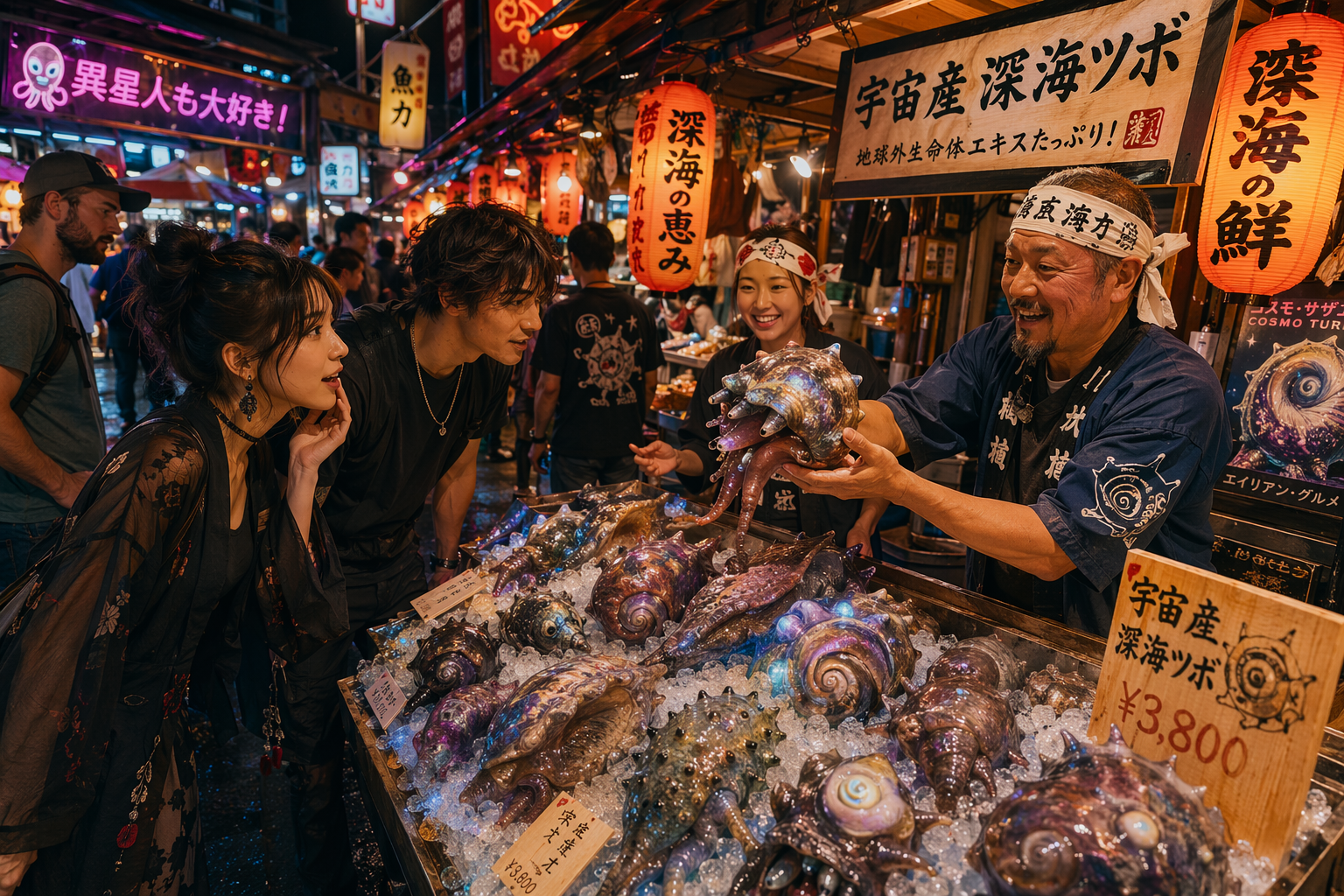
The alien sea snail, also called yakougai, is seen as an interesting part of Japanese street food and seafood cuisine.
You will often find this unusual delicacy from street vendors at yatai, at seafood markets, festivals, and in busy travel areas in Japan.
Fukuoka city is known for its classic stalls. These are most famous in the yatai areas near the main places where people travel.
In Japan, street vendors cook and serve food fast and fresh right in front of diners.
You can expect a strong seafood aroma, a chewy feel when you eat it, and a taste that is more like sushi and sashimi instead of other snacks.
Clean yatai stalls, making good choices, and knowing simple health tips are important when you try unfamiliar street food abroad.
Introduction
Japanese street food always has something new. You might head out to get takoyaki or noodles, but you can find other foods that are very different. One of these foods is the alien sea snail. The name and the look get your attention, and many people feel curious about it. But is this delicacy really worth your time, money, and hunger? To know more, let’s see where you might find it, how people use it in Japanese cuisine, and what kind of time you can have when you try it.

Discovering Alien Sea Snail on Japanese Streets
Japan has many kinds of street food, but not every food is in every place. Street vendors, seafood markets, and stalls at local events often show food from that part of Japan. So, you will find some seafood that is special to only a few areas, not the whole country.
If you want to try alien sea snail as street food, look for spots that have yatai and market culture. These places usually offer fresh Japanese food. The Japanese name for this delicacy is yakougai. You can use this name to spot it on signs, menus, or vendor boards. The next parts of this text give you more details.
What Is Alien Sea Snail (Yakougai) and Why Is It Called “Alien”?
The Japanese name for this alien sea snail street food is yakougai. If you hear or see that name during travel or food talk, you can use it to find this special delicacy at a stall or market.
The word "alien" is used here because this seafood can look a bit strange, especially if you often eat sushi, tempura, or grilled skewers. In Japanese cuisine, there are many kinds of seafood that people like because of the shape, feel, and how fresh they are. It's not always about what looks familiar or normal at first.
That makes yakougai feel both dramatic and fun. You will find it in the bigger talk about shellfish in japanese food. Many diners in Japan enjoy foods that might look odd to people trying them for the first time. So, when people call it “alien,” they are really talking about how it surprises them. It is not about being afraid, but more about feeling curious while sitting at the counter.
Where You Can Find Alien Sea Snail Street Food in Japan
If you want to try some street food that is different in Japan, it's best to go to places that are already known for their stalls and local foods. Fukuoka city is a great choice for this. People go to Fukuoka because the yatai culture is still alive there. Food travelers visit fukuoka to taste japanese street food and enjoy different dishes near the busy nightlife and travel spots.
Useful places to check include:
Yatai districts are found in Fukuoka city, most often near the main fun zones.
You will find spots close to Hakata Station. Here, people can get many food choices fast.
Seafood markets, festival spots, and transport places are found in some parts near the sea in Japan.
You might find Okinawan cuisine at some yatai, but the alien sea snail is not easy to get in Okinawa. It is the kind of food that only some places have. You are more likely to see it in regions close to the Ariake Sea, where there is a big seafood culture. So, it is not found in all parts of Japan. This food is more in certain areas than in most big cities.
How Alien Sea Snail Is Prepared and Served by Japanese Street Vendors
Japanese street vendors be all about making food fresh and fast. You can see the cooking happen at yatai and other stalls. Most times, they make the food right there in front of you. That is one thing that makes japanese food feel easy to try. Even if some of the stuff in it feel new, you feel good about eating it.
The same street food style shapes how you will get an item like alien sea snail. This usually means a simple way of making it that works for a food stall. Everything happens fast, the food looks tidy, and there is not a lot added to take away from the taste of the seafood. If you want to know more about it, check out the common ways, flavors, and types of serving you find in Japanese cuisine.
Traditional Cooking Methods and Seasonings Used for Yakougai
At Japanese stalls, cooking is made to be quick and easy. The people selling street food often make one main thing. They cook it right there and give it to you fresh. If yakougai becomes a street food, you can expect it to be simple to handle. It will be cooked fast. The taste will be all about clean seafood flavor.
Common street-style ways to make japanese food are:
You can grill this food over heat. This gives it a smoky aroma.
You can serve it cold or cut in thin sashimi slices when you want to show how fresh it is.
It's good with light seasonings, not heavy sauces.
People like to have this as a quick snack. It's not something for a long or formal meal.
This matters because street stalls are set up to be small and simple. The most popular street food items are cooked or put together right where the diners can see them. This helps keep service quick. Japanese street food is known for a big flavor, strong aroma, and simple ways to season it. When you eat it for the first time, the main ingredient is easy to spot and taste.
Typical Presentation and Serving Styles at Food Stalls
Food stalls in Japan are made for fast eating. Some stalls have seats. Some have just a place to stand. Food is prepared close to the customer. This is a big part of how seafood is given to you in these stalls. The food must be simple to eat, quick to hand over, and tidy. So, you can enjoy it on the go at any stall in Japan.
So how do the stalls in Japan serve yakogai? At a yatai, you will mostly see it in small, easy-to-eat forms. The food might come on small plates or skewers. Sometimes you will find it as sashimi. The delicacy gets served in ways that keep it simple and tasty. You see it as something you can eat fast without many extras.
The look of the stall is important the most. Japanese street vendors show off signs, lanterns, and small menus to help people see what is special for the night. If there is alien sea snail, the vendor will show it as the main item. It will not be hidden in a mixed plate. This way, people who feel curious about food can order with ease.
The Taste Experience: What to Expect When Trying Alien Sea Snail
Trying seafood you don't know can feel risky. But, japanese food often shares it in a way that is easy to understand. You can look at the seafood, notice its aroma, and get a good feel for what you will taste before you even try a bite.
With alien sea snail, you can expect more of a delicacy and not something you eat for comfort. The talk about taste often is about how fresh it is, how salty it feels, and its texture. This is the same in other types of seafood seen in Japanese cuisine like sushi and sashimi. If you already like shellfish or eat sushi, there is a good chance you will be okay with it. It’s not as strange as the dramatic name makes you think.
Flavor Profiles Compared to Other Japanese Seafood Delicacies
A good way to understand alien sea snail is to compare it with other seafood you find in japanese food. The focus is not on heavy flavors but more on texture, the ocean feel, and the clean aroma that comes from fresh items.
Here is a simple comparison table:
Item | Likely eating experience |
|---|---|
Alien sea snail / yakougai | Chewy, briny, shellfish-forward, best appreciated for texture and freshness |
Sushi | Cleaner, rice-balanced, usually softer and more familiar |
Sashimi | Closest in simplicity, with focus on pure seafood taste |
Squid | Similar chewy bite, though squid is often milder and more widely known |
Tempura seafood | Much softer in flavor because batter changes the aroma and texture |
So, what does this alien sea snail taste like when you compare it to other seafood? The taste is more like sashimi or squid, and not as close to fried tempura. If you want your food to be crunchy or feel warm and comforting, this may not be for you. But if you like shellfish that brings some personality, this can be a bite you will remember.
Popularity Among Locals, Tourists, and Food Adventurers
Not every street food dish in Japan becomes popular everywhere in the country. Some of the japanese street food is mostly found in certain places or only at certain times. A few foods become much bigger, like takoyaki and okonomiyaki, which you can find in many areas and tourist spots. Alien sea snail, on the other hand, is one of those items that people find in smaller, more special places.
People who live in the area may get more interested in seafood that is different or new. They often like food that shows off the local cuisine, and feel the freshness in the meal. For visitors, it can be a different thing. A seafood dish with a special name or look can seem like a fun choice they feel they need to try, even if they stick to safer food most times. This is how some diner's choices can change when eating out.
The alien sea snail in Japan is not as popular as some other foods, but it draws a lot of interest. People who like to try new things often want to hear its story. Some travelers might just look at it, take a picture, and then choose to eat yakitori. This does not mean it is talked about too much. It just means that not everyone wants it, and the group who likes it is smaller.
Health Benefits and Risks of Eating Alien Sea Snail
Seafood in Japan is known for being fresh and balanced. This is why some unusual snacks are more than just fun to try. People in Japan often pick a seafood snack over fried street food. They do this because seafood snacks can be better for you. The good nutrition in these snacks is what makes people want them.
Still, health is more important than excitement. Japan has good rules for street food, and there are clean places. But you should stay watchful, especially when it comes to seafood or food that is raw and new to you. The best way is to enjoy the cuisine from sellers who look clean and have lots of people buying. Use common sense with street food.
Up next, we will talk about the perks and also tell you some basic things to keep in mind.
Nutritional Value and Potential Health Perks
Based on how people talk about Japanese street food, seafood, like yakougai, can look nice because it is not a heavy snack with lots of batter. In that way, it may feel better to eat than some fried foods you get at stalls. It is not as rich as these other options.
Japanese food culture likes to mix different things in one meal. You may see seafood with egg, tofu, soups, or grilled foods. They do not use deep-fried foods all the time. This is important when people talk about what is in the food. People love japanese food because it is simple and fresh, not because it is too much.
When it comes to health perks, the best point is that seafood can be a good part of a balanced eating style in Japan. But remember to keep your expectations real. Street food is still street food. Things like how big the portion is, how it is handled, its temperature, and how fresh it is matter more than any claim about wellness. Picking the right food is better than just following what is trendy every time.
Safety Tips and Common Health Precautions for Travelers
Here is the good news. Japan has high food hygiene standards. Local governments check vendors often. Many stalls use fresh ingredients. The surfaces are cleaned a lot, and food is made right there on-site. That gives travelers a better chance to avoid troubles like bali belly or egyptian pharaoh’s revenge big belly.
Even though, you need to be careful. The summer heat, raw foods, and food left out or not kept cool can still cause trouble anywhere. If you are in japan for the first time, you can go ahead and try alien sea snail. But you should only do this if the place selling it looks clean, there are people in line, and it is set up well.
Keep these tips in mind:
Choose stalls that look fresh and have people coming and going.
Be extra careful with raw seafood when it's hot.
If anything looks like it was not stored well, skip it and try another stall.
A smart traveler does not have to feel scared. You only need some good judgment. In Japan, this is often enough to make your street food experience safe and fun.
Cultural Significance of Alien Sea Snail in Japanese Cuisine

Japanese cuisine comes from the land, the season, and the people who live there. A kind of seafood sometimes means more than how it looks. Food at street stalls, at festivals, and in markets shows what a place wants others to know about it.
There is a story side too. In japan, food stalls often show up in anime, tv shows, and travel stories. They are places where people get together to eat small meals and talk. The alien sea snail is part of that feeling of wonder, who we are, and finding new things. To really know its place, it is good to see how history and today’s food ways link together.
History and Regional Importance of Yakougai
The history of Japanese street food tells us a lot about the people in Japan and what they need to eat each day. In the Edo period, there were more people who needed quick meals, so vendors started to sell food on the street. As time went on, each part of Japan made street food in their own way. This is why you see seafood and stalls together in many places to this day. Street food, especially japanese street food, shows how each place added something special with seafood and other tastes.
Fukuoka is important in this story. The city's yatai scene is still easy to see across Japan. When you walk near Hakata Station and in central areas, you can feel street-side dining. This is still part of everyday life there. For travelers, Fukuoka is a good place to start if you want to find and try new kinds of cuisine.
People in Kyushu talk a lot about food from different places like Saga and Nagasaki. They also talk about seafood from the Ariake Sea. This does not mean all foods are sold everywhere. It shows that people feel strong about where their food comes from. Yakougai is a unique seafood that comes from this area. It shows how Japanese people like foods that come from certain places.
Alien Sea Snail in Festivals, Traditions, and Modern Japanese Food Culture
Festivals and seasonal events drive street food in Japan. Food vendors set up where people come to have fun and try something new. They bring dishes that feel special and local. In these places, seafood is easy to spot. It is more than just a meal. It starts conversations and shows what the area is known for. This is a big part of japanese street food, and lets people taste new seafood.
Modern food culture in Japan has changed things. Yatai, which are small street food stalls, are shown in anime and travel shows in a way that makes people want to see them. People also share photos of the food on social media, especially strange-looking ones, and it makes other people want to try it. Because of this, some foods that are not known by everyone can still get noticed by many people.
You can see that cultural role in three ways:
Festivals make foods that people do not eat often feel easy to try in small servings.
Local customs in the region give value to foods that come from nearby waters and show the special feel of that place.
Food culture today enjoys eating foods that are different. This is seen in japan, where people show interest in the warasubo or mudskipper. You can also find this interest in china and south east asia.
Okinawa has its own cuisine that you can find in some yatai food stalls. This shows that the food from the area is always changing, but it still stays close to where it comes from.
Conclusion
Trying alien sea snail street food is a big adventure for your taste buds. It gives you a new and unique flavor that is not like other Japanese seafood. This food has its own feel and taste. There are health benefits that come with it, but you should also know about some risks. Enjoy the rich culture and history of yakougai. It’s special to play a part in finding new flavors.
If you feel curious about this great food, go ahead. Book a free consultation with our food experts. They will help you learn more to get into the world of Japanese street food safely.
Frequently Asked Questions

How much does alien sea snail street food cost in Japan?
Street food prices in Japan are not always the same everywhere. The cost can change based on where you are, what vendor you go to, and how fresh the ingredients are. In cities with lots of seafood, like Fukuoka, you may see that rare items cost more than usual snacks such as takoyaki. The price you pay depends on the area and the style of each food stall, not on one single national price for special seafood like alien sea snail.
Is alien sea snail street food available outside major cities or only in select regions?
It is more common to find this in some parts of Japan than others. Areas that focus on seafood, their markets, festivals, and yatai are where you will see it most often. Okinawa has its own strong food scene. Still, the alien sea snail is a special item, so you will not find it as regular street food in every part of Japan.
Can you safely try alien sea snail as a first-time visitor to Japan?
Yes, you can try street food in Japan if you follow basic health tips. Food stalls in Japan are often clean and safe. It is smart to pick busy seafood stalls that look well-kept. Be careful with raw foods, mainly when the weather is hot. Always check for freshness, how clean the vendor is, and see how the food is handled. These things matter most.
Comments
Post a Comment